ROOTED IN POSSIBILITY. DESIGNED FOR REAL LEARNERS.
B✦Dr. BriscoeLEARNING AGENCY

SPECIAL EDUCATION · SETSS · CURRICULUM CONSULTING

One goal.
Different learners.
More possibilities.

Thoughtful learning experiences that make room for who learners are—and who they can become.

Specialized instruction for children with disabilities. Inclusive curriculum and professional learning for the people who teach them.

Led by Dr. Lashante M. Briscoe 20 years in education · Educator. Scholar. Consultant.
INCLUSIVE BY DESIGN✦RIGOR WITH ACCESS✦RELATIONSHIPS AT THE CENTER

THE BRISCOE APPROACH

Access is where
possibility begins.

A meaningful learning goal can have more than one pathway.

We begin with the learner, the context, and the purpose. Then we make the content, instruction, and supports work together—so participation has a clear path.

Through explicit instruction, Universal Design for Learning, and supportive communication, we help translate inclusive intentions into practical choices.

01Know the learner.

Notice strengths, interests, needs, and the conditions that support participation.

02Design the pathway.

Keep the learning goal meaningful while offering different ways to engage and respond.

03Reflect and refine.

Use observation and feedback to shape what comes next.

WAYS TO WORK TOGETHER

Expertise that meets
your learning community.

For schools, mission-driven organizations,
educators, and families.

01Special Education Teacher Support Services (SETSS)FOR CHILDREN WITH DISABILITIES & THEIR FAMILIESSpecialized instruction that connects a child’s strengths, learning needs, and IEP goals to meaningful academic growth.

How I can help

I provide individualized instruction for children with disabilities to help them access classroom learning, strengthen academic skills, and build greater independence. Instruction responds to the child’s current skills and the goals guiding their services.

What working together looks like

Sessions use explicit instruction, modeling, guided practice, visual supports, and repeated opportunities to apply skills. Progress monitoring guides adjustments, with family and school-team collaboration to support the student’s goals.

Support may include

  • Reading: Decoding, fluency, vocabulary, and comprehension.
  • Writing: Generating ideas, organizing sentences and paragraphs, and developing written responses.
  • Mathematics: Number sense, computation, problem-solving, and connections between concrete materials, visuals, and abstract concepts.
  • Learning strategies: Organization, task initiation, following directions, and completing multistep assignments.
Ask about SETSS ↗

Availability, service arrangements, and fit are discussed before services begin.

02Curriculum consulting & adaptationFOR SCHOOLS, NONPROFITS & EDUCATIONAL ORGANIZATIONSAccessible, age-respectful lessons that preserve meaningful learning goals for students with disabilities and varied learning needs.

How I can help

I help teams develop and adapt curriculum so learners have different ways to access content, participate, and demonstrate understanding. Planning accounts for differences in reading, writing, communication, executive functioning, and background knowledge.

What working together looks like

A partnership may focus on individual lessons, a unit, or a connected sequence of learning experiences. Deliverables are defined around the project’s learners, setting, and purpose.

Support may include

  • Curriculum review: Identify barriers in existing lessons, materials, and assessment tasks.
  • Instructional adaptation: Develop differentiated pathways, explicit teaching sequences, visual supports, and graphic organizers.
  • Accessible assessment: Create options for students to show what they know while maintaining the learning goal.
  • Implementation & revision: Use educator feedback and classroom observations to refine materials.
Explore a curriculum partnership ↗
03Professional developmentFOR TEACHERS, SCHOOL TEAMS & COMMUNITY EDUCATORSPractical professional learning that helps educators teach and include students with disabilities with greater intention.

How I can help

I connect inclusive principles to the learners, materials, and situations educators encounter every day. Sessions offer opportunities to examine practice, work through examples, and identify strategies teams can use in their own settings.

What working together looks like

Engagements may include a workshop, collaborative planning, lesson review, or follow-up reflection. Format and scope are shaped around the team’s priorities.

Support may include

  • Inclusive planning: Universal Design for Learning, differentiation, and learner variability.
  • Explicit instruction: Modeling, guided practice, scaffolding, and purposeful feedback.
  • Belonging & communication: Neurodiversity, supportive communication, predictable routines, and regulation.
  • Participation & assessment: Accessible engagement and response options in classrooms and experiential learning settings.
Discuss professional learning ↗
04Family education supportFOR PARENTS & CAREGIVERSA collaborative space to understand your child’s learning needs and develop practical routines and supports.

How I can help

I work with families of children with disabilities and other learning needs to identify strengths, clarify educational priorities, and plan manageable next steps. Together, we connect what a child needs with supports families can use.

What working together looks like

Family support is tailored to your priorities. When direct specialized instruction is needed, we can discuss whether SETSS or another learning arrangement is the right fit.

Support may include

  • Understand learning needs: Discuss strengths, current challenges, and the supports that help your child participate.
  • Build useful routines: Develop approaches to homework, organization, task initiation, and follow-through.
  • Choose learning tools: Explore visual supports, graphic organizers, and accessible materials.
  • Support collaboration: Prepare questions and organize observations to share with your child’s educational team.
Discuss family support ↗

Start with a conversation about your goals, learners, setting, and timeline. Together, we determine fit and agree on the scope, deliverables, and fees.

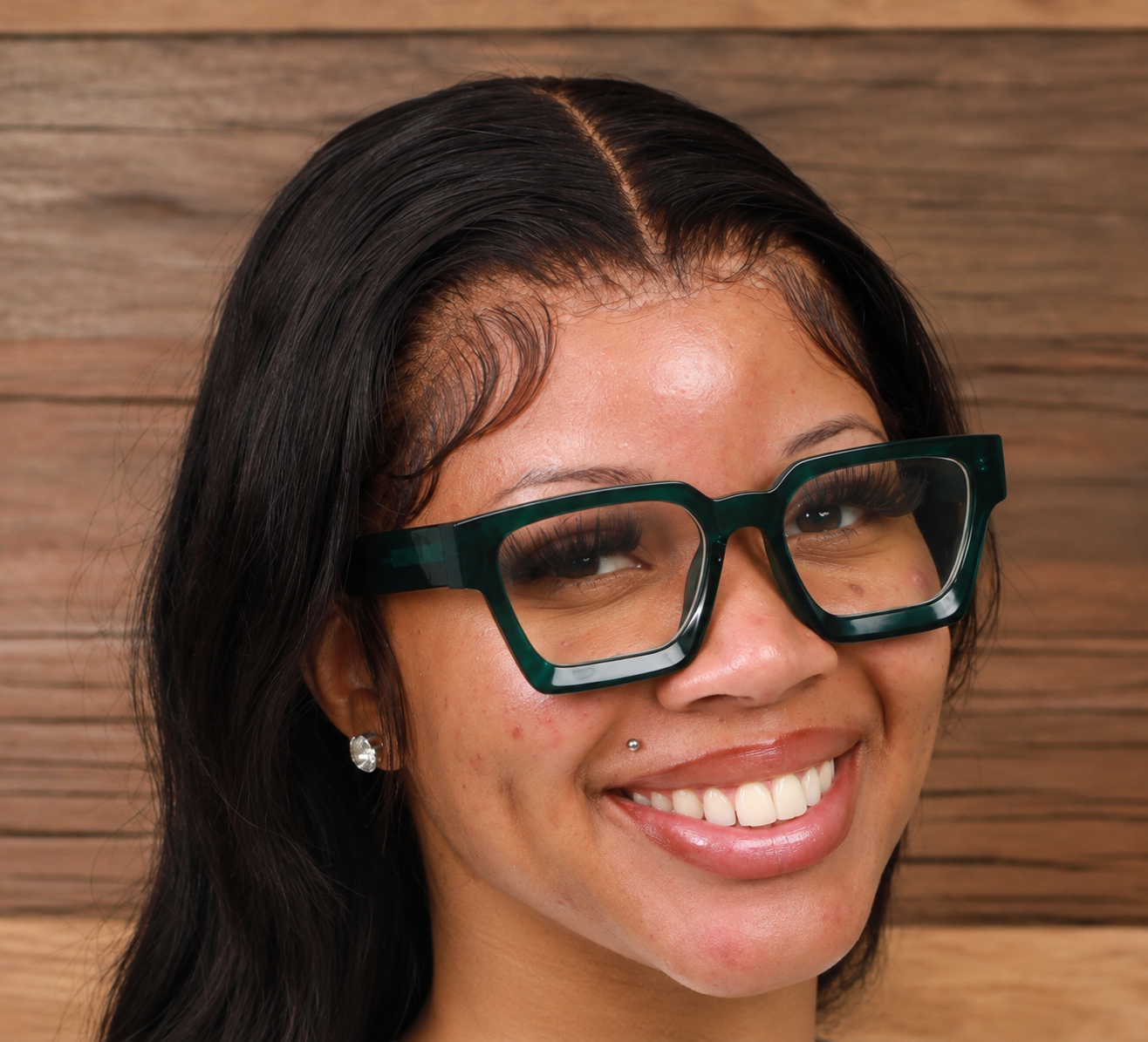
Dr. Lashante M. Briscoe smiling, wearing dark green glasses
DR. LASHANTE M. BRISCOE

Educator. Scholar. Consultant.

20 years of experience in education

MEET DR. BRISCOE

Grounded in experience.
Guided by care.

I believe learners deserve to be seen in their fullness—and taught with intention.

I’m Dr. Lashante M. Briscoe, an educator, scholar, and special education consultant with 20 years of experience in education.

My experience spans work as a NYC Department of Education family worker, District 75 teacher, charter school educator, special education consultant, and SETSS provider.

These roles have shaped how I work with children with disabilities and their families—from building family-school relationships to providing specialized instruction and helping educators create accessible learning experiences.

Rooted in the South Bronx and shaped by my experiences as a Black woman, mother, and educator, I bring both scholarship and lived experience to my work.

Through Dr. Briscoe Learning Agency, I bring that experience to individualized instruction, curriculum development and adaptation, professional development, and family education support. My work centers students’ strengths, responds to their learning needs, and creates meaningful pathways toward academic growth and greater independence.

PhD, Educational LeadershipMS, Special Education20 Years in Education

EXPERIENCE YOU CAN EXPLORE

Scholarship meets
purposeful practice.

Education, research, and instructional tools
that inform the work.

EDUCATION & TRAINING

A foundation in leadership
and special education.

Doctor of Philosophy · Educational Leadership
Northcentral University · 2024
Master of Science · Special Education
CUNY Hunter College · 2020
Bachelor of Arts · Liberal Arts
College of New Rochelle · 2015

New York State teaching certifications

Students with Disabilities, Grades 1–6
Childhood Education, Grades 1–6

FEATURED DOCTORAL RESEARCH · 2024

Leadership, school culture,
and the experiences of teachers.

My dissertation explores how administrative leadership styles relate to the experiences and retention decisions of early-career charter school teachers in New York City.

Administrative Leadership Styles and Its Contributions to Teacher Attrition Amongst Early Career Charter Schools Teachers

Read the dissertation on ResearchGate ↗

A LOOK INSIDE THE PRACTICE

Universal Learner Profile
Quick Screener

A 3–5 minute classroom check designed to help educators choose accessible response pathways while keeping the learning content consistent.

Download the sample · Word ↓

What it helps educators notice

  • Supported recognition: selecting or matching a familiar idea.
  • Guided expression: sharing an idea with a frame or other support.
  • Independent expression: generating accurate ideas through an accessible response mode.

Responses may include pointing, speaking, typing, writing, or AAC. The resulting profile is provisional and should be checked against classroom work.

An informal instructional planning tool—not a standardized test, disability determination, or measure of intelligence. Response profiles are not fixed labels for learners.

SELECTED SCHOLARSHIP

“Black motherhood and academia: Balancing caretaking with a Black feminist self-care ethic” · Chapter in Spaces for Resistance: Black Feminist Theory and Praxis in Academia and Beyond, Bloomsbury Academic, 2025.

“Black Mothering in Academia: Sacred Refusal as Resistance, Care, and a Framework for Institutional Change” · With Justin Alexander, A. L. Gray, and K. Holland · AERA Annual Meeting, 2026.

A THOUGHTFUL PARTNERSHIP

From your priorities
to purposeful practice.

Clear goals. Collaborative decisions.
Room to adjust as we learn.

01 / CONNECT

Start with your context.

Talk through your learners, setting, and the change you hope to make.

02 / SHAPE

Build a focused plan.

Agree on the scope, deliverables, and what meaningful progress will look like.

03 / CREATE & REFINE

Put learning into practice.

Develop the work, gather feedback, and identify the next useful step.

LET’S MAKE ROOM FOR POSSIBILITY

What could we
build together?

Tell us about your learning community
and the support you’re looking for.

INQUIRIES

Email lbriscoe1setsspps@gmail.com to discuss your goals, scope, and availability.

This form opens a draft in your email app. Review it and press Send there to deliver your inquiry. You can also email us directly.